Loading...
BlogCompliance
NYC Bedbug Annual Report: File With HPD by December 31
The NYC bedbug annual report window opens December 1. Who must file (3+ units), the four numbers HPD wants, the tenant notice rule, and what a miss costs.
By Brandon Babel9 min read
In This Article
The NYC bedbug annual report is due to HPD between December 1 and December 31, and it applies to every building with 3 or more apartments, not just the big ones. The filing is free, takes four numbers, and it still catches owners every January because the window sits in the quietest weeks of the year. This is the one December deadline a small owner can clear in an afternoon.
Who Has to File the NYC Bedbug Annual Report
The requirement comes from Local Law 69 of 2017, which added section 27-2018.2 to the Housing Maintenance Code. The text of Local Law 69 says "an owner of a multiple dwelling shall annually report to the department" on an electronic form. A multiple dwelling is any building with 3 or more units, which is how HPD's own Bedbug Annual Report form states the rule: "owners of residential buildings with 3 or more residential units."
A one- or two-family house is outside the law. A 3-unit rowhouse in Bed-Stuy is inside it, and so is a 6-unit walk-up in Astoria and a 20-unit elevator building on the Upper West Side. Per HPD's Bedbug Annual Report FAQ, co-ops and condominiums file too, and so do hotels.
Two points trip up owners every year. You file even if the building had zero bedbug activity, and the report is one aggregate filing per building, not a unit-by-unit history. A clean building files four numbers with three zeros in them.
When the Window Opens and What Period It Covers
The filing window runs December 1 through December 31 every year. The report covers the twelve months from November 1 of the prior year through October 31 of the filing year, per HPD's bedbug page. For the 2026 filing, that means activity between November 1, 2025 and October 31, 2026.
Filing happens in HPD's online Annual Bed Bug Report portal. One login can cover every building you own. The paper form is only available to owners registered with HPD as an individual or joint owner; the FAQ says paper reports from LLCs, corporations, co-ops, and condo corporations "will be rejected and the submission will be deemed noncompliant."
Two prerequisites sit upstream of the filing. Your property registration must be current, or the portal will not accept the report. And the law requires you to attempt to obtain the infestation history for each unit from the tenant or unit owner before you file, so the outreach has to happen before December, not during it.
The Four Numbers HPD Wants
The electronic form asks for the building address and four counts. Each comes straight from section 27-2018.2 and HPD's filing instructions:
| Field | What to enter | Common mistake |
|---|---|---|
| Total dwelling unit count | Every unit in the building, occupied or vacant | Entering zero (the form rejects it) |
| Infested dwelling unit count | Units reported by a tenant, or otherwise known to you, to have had bedbugs during the period | Counting only units where you hired an exterminator |
| Eradicated dwelling unit count | Units where eradication measures were used during the period | Leaving blank instead of entering zero |
| Re-infested dwelling unit count | Units from the previous row that had bedbugs again after treatment | Counting a unit treated twice as two units |
The phrase "as reported or otherwise known to the owner" is the standard. If a tenant told the super about bedbugs in March and nothing was written down, that unit still belongs in the infested count. The filing is also amendable at any time, so a number you learn later can be corrected without waiting for next December.
What You Owe Tenants After Filing
Filing is half the obligation. Once HPD processes the report it sends a filing receipt, and section 27-2018.1 requires the owner to do one of two things with it:
- Distribute a copy to each tenant at the start of every new lease and with every renewal, and certify that on the form; or
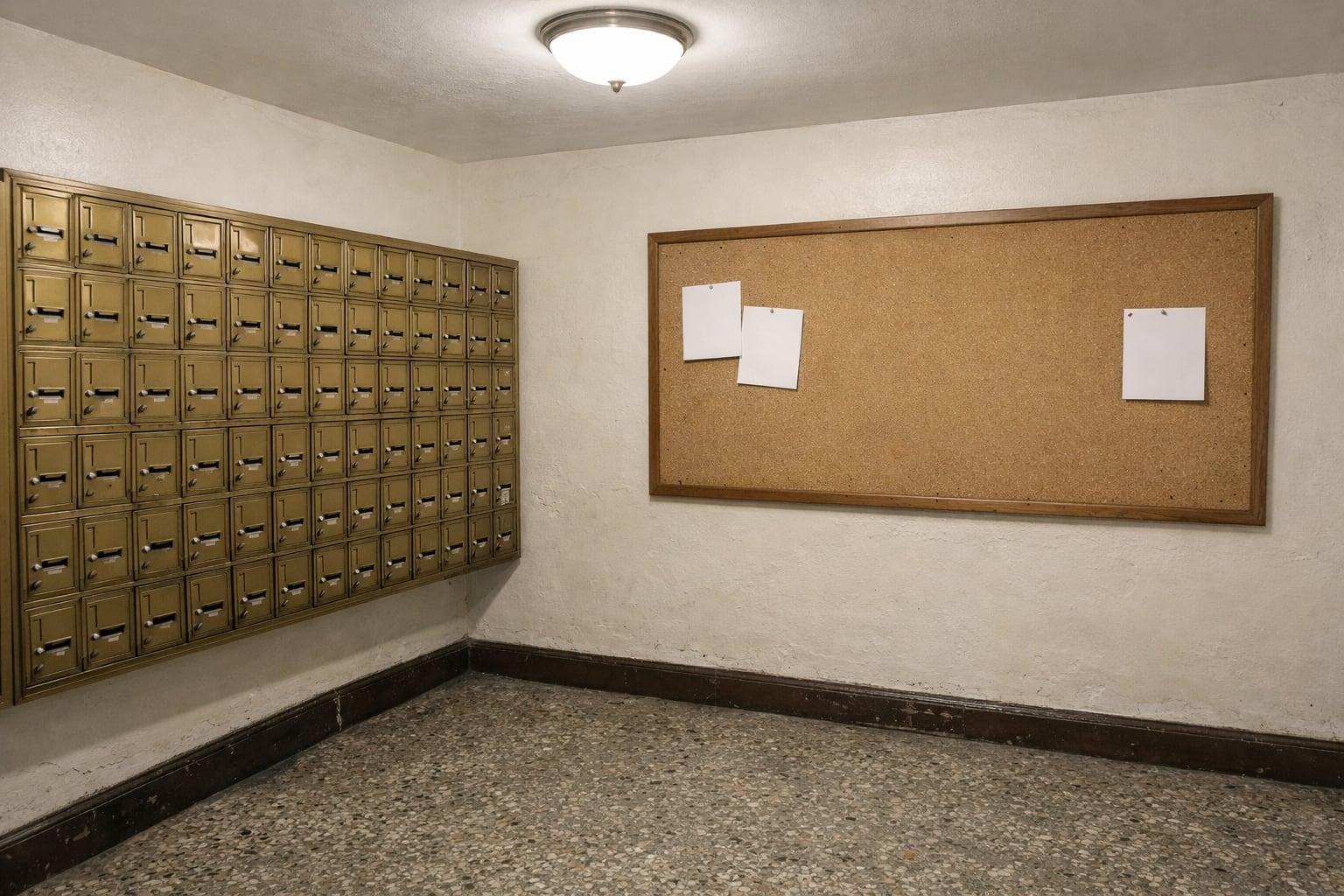
- Post a copy in a prominent public location in the building within 60 days of filing, and keep a record of the posting.
Either way, the posting or hand-out must also include the Department of Health's Stop Bed Bugs Safely notice on prevention, detection, and removal. HPD's FAQ is explicit that you cannot design your own version of the receipt. You post the electronic form HPD provides, nothing else.
HPD then publishes the filing on HPDONLINE within 30 days of receiving it. Every prospective tenant, buyer, and lender can see your reported counts and the date you filed, which is why a timely filing with honest numbers reads better than a late one with zeros.
This city filing is separate from the state disclosure. New York State requires the DBB-N bedbug infestation history notice with every vacancy lease, covering the prior year. The same lease-packet discipline from our rent-stabilized paperwork checklist applies here: the DBB-N goes in the lease packet, and the HPD receipt goes on the wall or in the renewal envelope.
What Happens If You Miss December 31?
HPD's form says it plainly: "Once December 31 passes, HPD may issue a violation for failure to file." The FAQ drops the hedge and states that a violation "will be issued." HPD does not publish a separate fine for the bedbug filing, so the exposure is whatever the violation itself carries.
For context, HPD's current civil penalty schedule for violations issued since December 8, 2023 starts here:
| Violation class | Civil penalty | Time to correct |
|---|---|---|
| Class A (non-hazardous) | $50–$150, plus $25 per day | 90 days |
| Class B (hazardous) | $75–$500, plus $25–$125 per day | 30 days |
| Class C, 5 or fewer units | $150–$750, plus $50–$150 per day | 24 hours for most conditions |
| Class C, more than 5 units | $150–$1,200, plus $150–$1,200 per day | 24 hours for most conditions |
The bigger cost is the record. An open violation sits on HPDONLINE until you correct and certify it, and the certification process requires a current registration.
An owner who skipped the September 1 registration deadline is blocked twice: the portal rejects the bedbug report, and HPD's penalties page confirms an unregistered owner cannot certify correction of any violation. Registration itself carries penalties of $500–$1,500 for buildings with 5 or fewer units and $1,000–$5,000 above that.
Why a Paperwork Violation Matters More in 2026
The enforcement climate changed this fall. On November 18, 2026 the city sued a Bronx and Brooklyn landlord under the New York False Claims Act, the first time it has used that statute against a building owner, per the Mayor's Office announcement. The suit seeks more than $10 million over 11 buildings, alleging the owner avoided paying $1.05 million in city charges for emergency repairs, pest control, and HPD and OATH judgments, with treble damages plus penalties of up to $28,619 per violation on the table.
Eight days earlier, on November 10, 2026, the mayor signed the Community Opportunity to Purchase Act, which gives qualified nonprofits a 145-day exclusive window to buy covered buildings. As we covered when the COPA bill passed the Council, the triggers run through the HPD violation database. Both stories point the same direction: the city is reading the HPD record and building cases from it.
The bedbug report is the simplest filing on an NYC owner's calendar. It costs nothing, asks for four numbers, and has a 31-day window. Yet it produces an HPD violation for owners who miss it, on a public record that lenders, buyers, and now the Law Department read closely. In a year when the city is suing over unpaid pest-control charges, a December filing that says "zero infestations, filed on time" is worth more than the hour it takes.
None of this means a late bedbug report lands a 6-unit owner in Supreme Court. It means the gap between an owner with a clean HPD page and one with a stack of unanswered administrative violations is widening, and the bedbug filing is the easiest line on that page to keep clean.
A Two-Week Prep List for Small Owners
The window opens in eight days. Here is what to do before December 1 so the filing itself takes minutes:
- Confirm your HPD registration is current. If it lapsed, file it now; the bedbug portal and every violation certification depend on it.
- Ask every tenant in writing whether their unit had bedbugs between November 1, 2025 and October 31, 2026, and whether it was treated. Keep the replies; they are your evidence of the attempt the law requires.
- Pull your exterminator invoices for the same period and match them to units. That gives you the eradicated and re-infested counts.
- Check your ownership type on the registration. LLCs and corporations must file online; only individual and joint owners can mail the paper form.
- Pick your notice method now. Decide whether you will post the receipt in the lobby or mailroom within 60 days or hand it out with each new and renewal lease, and set up the record either way.
- Print the Stop Bed Bugs Safely notice so it goes up alongside the receipt.
The whole requirement is already a line on the annual compliance checklist for small buildings. Treat December 1 as the start of the window, not the deadline, and the filing is finished before the holidays.
The bedbug annual report asks less of an owner than almost anything else HPD requires, and it is public the moment it lands. For a small building, filing on December 1 with accurate counts is the simplest way to show the record the city is now reading so carefully is one you keep in order.
About the Author
Brandon Babel is the Founder and CEO of Ora Property Management, serving condo and co-op boards and rental owners across Manhattan and Brooklyn. He founded Ora to bring transparent, communication-first management to small and mid-sized buildings, drawing on years across the financial, operational, and ownership sides of New York real estate.
Learn more about Ora · Connect on LinkedIn · Contact Brandon
Continue Reading


Have a Question About Your Property?
We’re always happy to talk — no commitment required.