Loading...
BlogCompliance
Local Law 152: NYC Gas Piping Inspection Deadline
NYC buildings in Community Districts 4, 6, 8, 9, and 16 must complete LL152 gas piping inspections by Dec 31, 2026. Penalties, new rules, and next steps.
By Brandon Babel8 min read
In This Article
If your building is in Community Districts 4, 6, 8, 9, or 16 in any borough, your Local Law 152 gas piping inspection deadline is December 31, 2026. In January 2026, the DOB started issuing $5,000 violations to buildings that missed the Sub-cycle A deadline. Here's everything you need to know to stay compliant.
Updated September 2026 — all LL152 filings moved to DOB NOW: Safety on July 27, 2026; corrected the advance-notice period and penalty description.
1. What Local Law 152 Requires
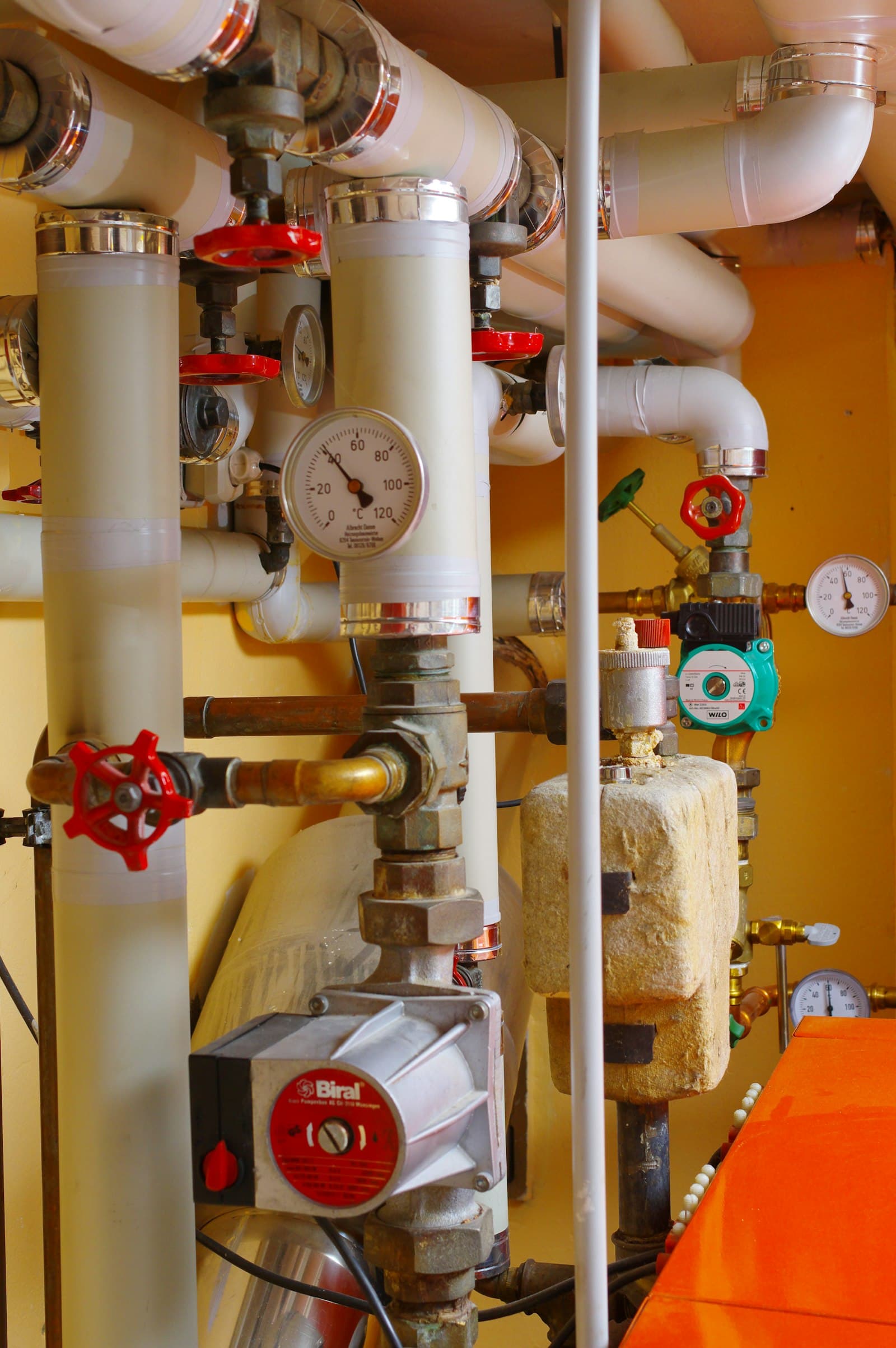
Local Law 152 of 2016 requires periodic inspections of gas piping systems in virtually every NYC building with gas service. The law was passed after the 2014 East Harlem gas explosion that killed eight people and destroyed two buildings.
The core requirements are straightforward:
- A Licensed Master Plumber (LMP) must inspect all exposed gas piping in the building
- Inspections cover exposed piping from the point of entry to the connection at each gas appliance — apartment interiors are excluded
- The inspector uses a portable combustible gas detector to test for leaks along all accessible piping
- After inspection, the inspection certification must be filed with the DOB through DOB NOW
Key fact: Buildings that have no gas piping are not exempt from filing. You must still submit a one-time Certification of No Gas Piping to the DOB to confirm your building has no gas system.
2. Which Buildings Must Comply
LL152 applies to nearly every building type in NYC that has gas piping. The short answer: if your building has three or more units and gas service, you almost certainly need to comply.
Buildings that must be inspected:
- All residential buildings with 3+ units
- Mixed-use buildings with any gas service
- Commercial buildings with gas piping
- Institutional buildings
Buildings that are exempt:
- One- and two-family homes (DOF Building Classification A or B)
- Buildings classified in Occupancy Group R-3
Buildings with no gas piping, or with piping but no gas service and no connected appliances, skip the inspection — but they still have to file paperwork with the DOB to prove it.
A common misconception is that buildings using gas only for central boilers — not for tenant cooking — are exempt. That's wrong. If gas piping exists in the building for any purpose, the inspection is required.
3. The 2026 Deadline: Who's Due This Year
Local Law 152 operates on a four-year rotating cycle, with deadlines staggered by community district. We're currently in Cycle 2, and Sub-cycle C is due by the end of this year.
| Sub-cycle | Community Districts | Cycle 2 Deadline |
|---|---|---|
| A | 1, 3, 10 | Dec 31, 2024 (passed) |
| B | 2, 5, 7, 13, 18 | Dec 31, 2025 (passed) |
| C | 4, 6, 8, 9, 16 | Dec 31, 2026 |
| D | 11, 12, 14, 15, 17 | Dec 31, 2027 |
Not sure which community district your building falls in? Look it up on NYC City Planning's Community Districts map.
Sub-cycle C covers major neighborhoods across all five boroughs — including parts of the Upper East Side, West Harlem, Bushwick, Crown Heights, Forest Hills, and more. If you own or manage property in any of these areas, December 31, 2026 is your drop-dead date.
4. What's New: 2026 Rule Changes
The DOB adopted new rules effective January 3, 2026 that change how LL152 inspections work going forward. Three updates matter most:
-
Commercial tenant spaces are now included. Local Law 142 of 2025, effective February 22, 2026, extends the inspection through the connection to every gas appliance. That brings stores, restaurants, and other commercial units with gas lines into scope — not just common areas and exposed piping in public spaces. Apartment interiors remain excluded.
-
Advance notification is required. Your Licensed Master Plumber must now notify the DOB at least 2 days before performing the inspection. This means last-minute inspections are harder to schedule.
-
New filing fees apply. Filing the inspection certification now costs $35. Extension requests and certifications of correction are also $35. A Certification of No Gas Piping is $375, and documentation for buildings with piping but no active gas service is $480.
-
Everything is filed in DOB NOW: Safety. Since July 27, 2026, certifications, extension requests, and inspection notices all go through DOB NOW: Safety. The old online portal is closed, and the paper GPS2 form is no longer required.
5. Penalties for Missing the Deadline
The DOB is no longer giving warnings. In January 2026, they began issuing formal Notices of Violation to buildings that missed the Sub-cycle A deadline — and the same enforcement will apply to Sub-cycle C after December 31.
Current penalty structure:
- $5,000 civil penalty for most buildings
- $1,500 civil penalty for three-family residential buildings
- Paying the penalty does not close the violation — you must also file the inspection certification (or proof of no gas piping or no gas service)
The real cost goes beyond fines. Buildings with outstanding LL152 violations face complications during property sales, refinancing, and insurance renewals. A $5,000 fine is manageable — but a delayed closing or rejected loan isn't.
The penalty amount is based on the Department of Finance Building Classification for the building. If you believe the classification or penalty is incorrect, you have 30 days from the Notice of Violation to submit a challenge through DOB NOW: Safety.
6. The Inspection Process Step by Step
Here's what to expect when your building's gas piping inspection happens:
-
Hire a Licensed Master Plumber. Only an NYC LMP (or a registered journeyman under LMP supervision) can perform LL152 inspections. Verify their license on the DOB license lookup before hiring.
-
The LMP notifies DOB. Under the new rules, your plumber must give the DOB at least 2 days' notice before inspecting.
-
Visual inspection and gas detection. The plumber will survey all exposed gas lines from the point of entry through every floor — common areas, mechanical rooms, hallways, corridors, and now commercial tenant spaces. They'll use a portable combustible gas detector to check for leaks.
-
Findings are categorized. The inspector files a GPS1 report documenting whether conditions are safe, any unsafe findings, and required corrective actions.
-
You fix any issues. If conditions are found, you have 120 to 180 days from the date of inspection to correct them using a Licensed Master Plumber.
-
The certification is filed. Within 60 days of the inspection, the owner must file a certification signed and sealed by the LMP who did the inspection, through DOB NOW. If conditions needed correcting, a second certification confirming the repairs is due within 120 days (or 180 days if more time was requested).
7. How to Request an Extension
If you can't meet the December 31, 2026 deadline, the DOB allows one 180-day extension per cycle — pushing your effective deadline to late June 2027.
To request one:
- Log in to DOB NOW
- Select the DOB NOW: Safety module
- Submit an extension request for your building's LL152 filing
- Pay the $35 extension fee
The extension is not automatic — you must formally file for it. And it only buys you time on the filing, not on scheduling. Licensed Master Plumbers get booked up fast as deadlines approach, so don't wait until December to start looking for one.
8. What Building Owners Should Do Right Now
If your building falls in Community Districts 4, 6, 8, 9, or 16, here's your action plan for the rest of 2026:
-
Confirm your community district. Use the NYC Community District lookup to verify your building is in Sub-cycle C.
-
Check your DOB record. Search your building on DOB BIS to see if there are any outstanding LL152 violations or Notices of Deficiency from prior cycles.
-
Hire a Licensed Master Plumber now. Demand surges as December approaches. Booking this fall still leaves time to correct any findings before the deadline.
-
Coordinate tenant access. If your building has commercial tenants with gas lines, the new rules require those spaces to be inspected too. Give tenants advance notice.
-
Budget for it. Between the inspection cost, the $35 filing fee, and any corrections, most buildings should budget $1,500–$5,000 depending on size and complexity.
-
Set a calendar reminder for October. If your inspection isn't done by then, file for the 180-day extension before the December 31 deadline — the $35 fee is far cheaper than a $5,000 violation.
For more on NYC building compliance deadlines, see our NYC Compliance Checklist for Small Building Owners and our guide to Local Laws 97 and 84 filing deadlines. If your building also has cooling towers, check our post on Local Law 159's new monthly testing requirement.
Local Law 152 compliance is one of those things that's straightforward if you plan ahead — and expensive if you don't. At Ora, we track every inspection cycle and filing deadline for the buildings we manage so owners never get caught off guard.
About the Author
Brandon Babel is the Founder and CEO of Ora Property Management, serving condo and co-op boards and rental owners across Manhattan and Brooklyn. He founded Ora to bring transparent, communication-first management to small and mid-sized buildings, drawing on years across the financial, operational, and ownership sides of New York real estate.
Learn more about Ora · Connect on LinkedIn · Contact Brandon
Continue Reading

Have a Question About Your Property?
We’re always happy to talk — no commitment required.